The Client
Many traders struggle with premature stop-outs, wondering if hiding orders from the broker’s server is the missing piece to their strategy. In this Casestudy, The client is a swing trader running a manual strategy on MT5, trading a handful of major pairs with clearly defined stop-loss and take-profit levels on every position.
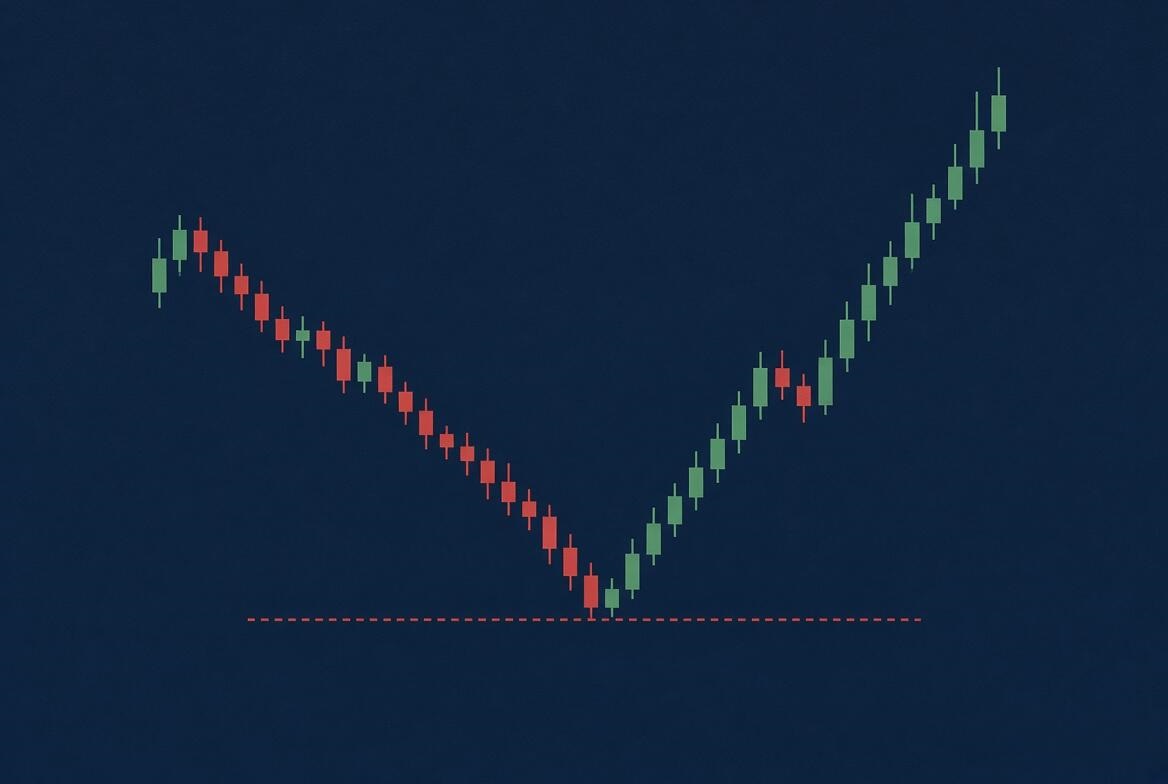
His strategy itself wasn’t the issue — his win rate on paper and his own trade journal logic looked solid. What he came to us with was a pattern he couldn’t shake: trades that got stopped out right at his SL, only for price to reverse and move exactly in his original direction shortly after.
The Problem: Visible Orders, Predictable Levels
Every stop-loss and take-profit placed directly on a broker’s server is visible order-book information. Round numbers, common technical levels, and clustering around obvious swing highs/lows are well known to attract exactly the kind of short-term price action that triggers nearby stops — whether from other market participants, liquidity dynamics, or the broker’s own order flow. Retail traders using standard, visible SL/TP levels are especially exposed to this, since their stops tend to sit in predictable places.
The client’s frustration wasn’t abstract — it was showing up trade after trade:
This is a hard problem to diagnose from a trade journal alone, because a hit stop looks the same in your history whether it was “correct” risk management or a level that simply sat in an obvious, exploitable spot. Without changing how orders were placed, there was no way to isolate the two.
The Ask
The client wanted a way to keep his risk management — stop-loss, take-profit, and entry logic — fully intact, but without broadcasting those exact levels as standing orders on the broker’s server. In short: trade the same strategy, but stop telegraphing where his stops and entries sat.
“It felt like the second my SL got hit, the market immediately turned around and did what I expected in the first place. I started questioning if my strategy even worked, when really I couldn’t tell if it was the strategy or my stops being an easy target.”
— MQL Coder client
The Solution: Stealth Manager
We set him up with Stealth Manager, which manages SL, TP, and entry orders locally on the terminal instead of sending them to the broker as visible standing orders. The strategy logic didn’t change — every level was calculated exactly as before. What changed was where that information lived: instead of a resting order sitting on the server for anyone (or anything) to see, the trigger was monitored client-side and only executed as a market action once price actually reached it.
The practical effect: no visible stop clustering at his usual levels, no advertised entry zones, and no early tip-off of his take-profit targets — while his actual risk management stayed exactly as strict as before.
The Result
Over the following 6 weeks, the client tracked his stop-outs the same way he always had — logging every trade that hit SL before eventually moving in his original direction. Before Stealth Manager, that pattern showed up on roughly 48% of his losing trades. After switching, it dropped to around 19%.
It didn’t go to zero, and it probably shouldn’t — some stops get hit because the trade idea was simply wrong, and no amount of order privacy changes that. What changed was the proportion: a meaningfully smaller share of his losses now looked like “stopped out, then proven right” and a larger share looked like ordinary, healthy losing trades. His overall win rate moved up modestly too, but the bigger shift was in how much less often he was left wondering whether the loss was earned or just bad luck of order placement.
That distinction mattered more to him than the win-rate bump itself: with a clearer signal on which losses were “real,” he could finally trust his own trade journal again instead of second-guessing every stop.
Why This Matters
The lesson here isn’t that every hit stop is evidence of stop hunting — plenty of stops get hit because the market genuinely moves against the trade. But for a retail trader placing SL/TP at predictable, visible levels, it’s genuinely hard to tell the difference between the two from results alone. Hiding order information doesn’t change what your strategy does; it changes what the market — and the broker — can see about it before it happens.
If your stops seem to have an uncanny habit of getting hit right before your original setup plays out — not every time, but often enough to notice — that’s usually worth ruling out before you start second-guessing the strategy itself.
Want your entries and SL/TP handled without broadcasting them to the market? explore Stealth Manager.